How to Calculate Restaurant Food Cost: Complete Guide
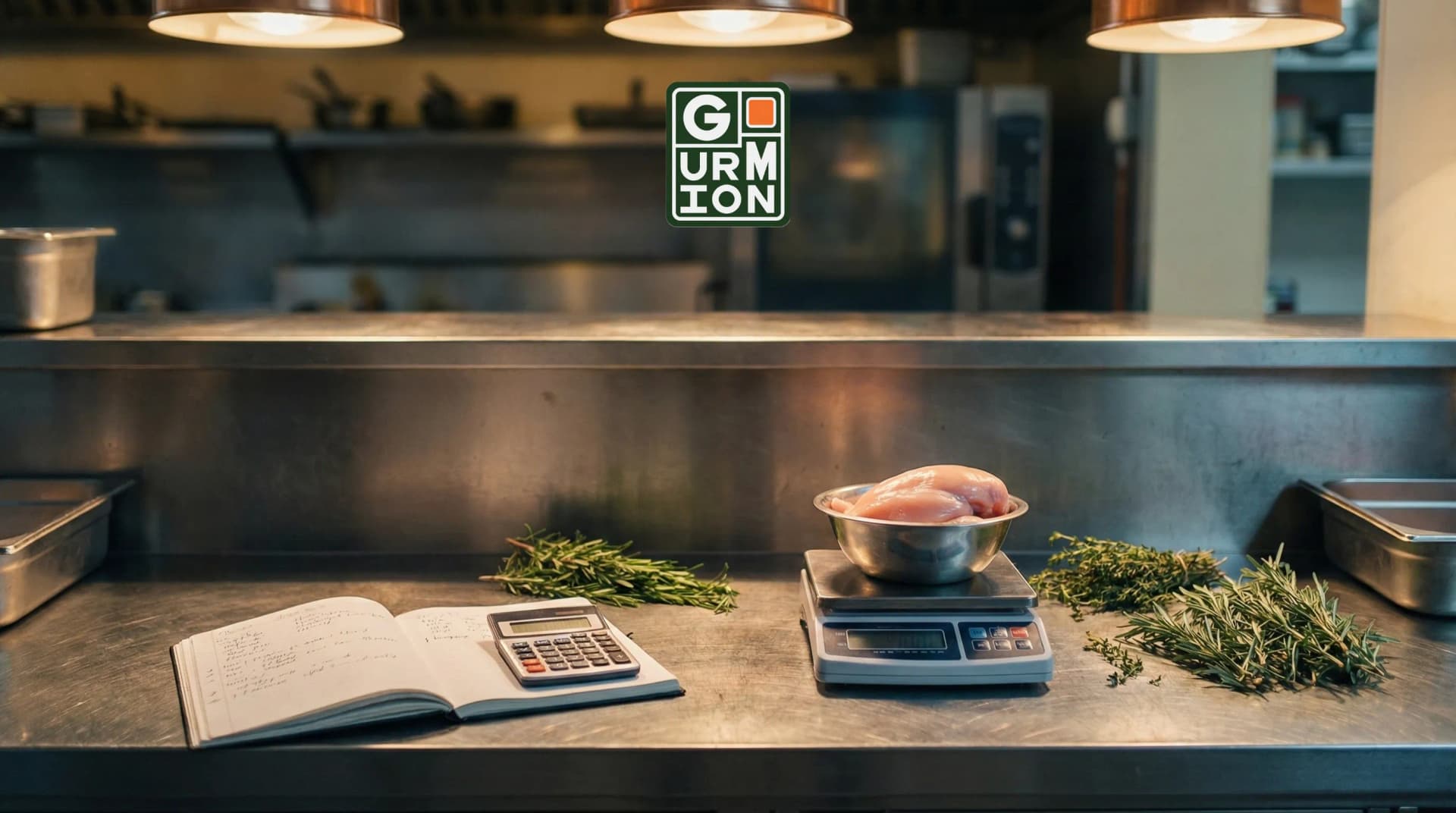
A restaurant's success isn't measured only by the quality of its food. In the majority of restaurant closures, one factor stands out: the absence of cost control.
The price is written on the menu — but how many operators actually know the true cost of each dish? When raw materials, waste, and inventory loss are accounted for, what is your real profit margin? Food cost calculation is the answer.
What Is Food Cost?
Food cost is the total price of all raw materials used to prepare one portion. The core formula:
Food Cost Ratio = Ingredient Cost ÷ Selling Price × 100
Example: If the ingredient cost for a chicken dish you sell for ₺120 is ₺42:
42 ÷ 120 × 100 = **35% food cost ratio**
Ideal Food Cost Benchmarks
| Restaurant Type | Ideal Food Cost |
|---|---|
| Fast food / casual | 25-30% |
| Full-service restaurant | 28-35% |
| Fine dining | 30-38% |
| Café and breakfast | 25-32% |
| Kebab / flatbread | 30-38% |
| Seafood restaurant | 33-42% |
Golden rule: Food cost + labor cost combined should stay in the 55-65% range. Exceeding this threshold threatens sustainable profitability.
Step-by-Step Food Cost Calculation
Step 1: Standardize Your Recipe
The foundation of cost calculation is a standard recipe. Portions that vary by cook invalidate every calculation. For each dish, fix:
- Complete ingredient list
- Exact quantity per ingredient (grams / milliliters)
- Cooking method and time
Example: Roast Chicken (1 Portion)
| Ingredient | Quantity | Unit Price | Cost |
|---|---|---|---|
| Chicken thigh (bone-in) | 300 g | ₺130/kg | ₺39.00 |
| Olive oil | 15 ml | ₺80/lt | ₺1.20 |
| Thyme + spices | 3 g | ₺200/kg | ₺0.60 |
| Garlic | 10 g | ₺65/kg | ₺0.65 |
| Lemon | ¼ piece | ₺5/piece | ₺1.25 |
| Total | ₺42.70 |
Step 2: Add Waste Factor
Waste is the portion lost during cleaning and prep. This cost is real and must be included:
| Ingredient Category | Average Waste |
|---|---|
| Vegetables (washing + trimming) | 10-20% |
| Bone-in meat | 25-35% |
| Fish (skin + bones) | 30-45% |
| Fruit (peel + seeds) | 15-25% |
Applying 30% waste factor to bone-in chicken:
₺39.00 × 1.30 = ₺50.70
Updated total material cost: ₺55.20
Step 3: Calculate Cooking Loss
Weight loss occurs during cooking due to heat and evaporation:
- Oven-roasted meat: 20-30% loss
- Grilled chicken: 25-35% loss
- Boiled vegetables: 10-20% loss
300 g raw chicken → approximately 210 g plated portion
Step 4: Add Fixed Overhead Per Portion
Raw materials alone don't represent the full cost. Per-portion fixed overhead shares:
| Cost Item | Per-Portion Share |
|---|---|
| Energy (electricity/gas) | ₺2-6 |
| Packaging / service materials | ₺1-4 |
| Cleaning and hygiene | ₺0.50-2 |
These shares vary by operation size and capacity.
Hidden Cost Items
Many restaurants overlook these costs — and it significantly distorts profit calculations:
1. Spoilage and inventory waste: The cost of unused ingredients that spoil typically represents 5-10% of total raw material spend. Poor inventory management can push this to 15-20%.
2. Non-standard portions: Plating 330 g instead of 300 g creates a significant difference annually. 10% over-portioning = 10% higher food cost.
3. Staff consumption: If staff meals and unauthorized consumption aren't tracked in the system, they directly reduce your profit margin.
4. Price fluctuations: Weekly price changes in vegetables, meat, and dairy can reach 15-25%. Update your cost calculations at least monthly.
Profit Margin and Menu Pricing
Set your selling price based on your target food cost ratio:
Selling Price = Ingredient Cost ÷ Target Food Cost Ratio
If your target food cost is 33% and ingredient cost is ₺45:
₺45 ÷ 0.33 = ₺136.36 → Menu price: ₺135-140
Menu Engineering: 4 Product Categories
Evaluate your menu items on two axes — food cost ratio and popularity:
| Category | Food Cost | Popularity | Action |
|---|---|---|---|
| Stars | Low | High | Feature prominently, keep always |
| Plow horses | High | High | Reduce cost or raise price |
| Puzzles | Low | Low | Make more visible, market better |
| Dogs | High | Low | Remove from menu |
Run this analysis quarterly. Typically 20% of your menu generates 80% of revenue.
Digital Cost Tracking: Gurmion Defter
Manual calculation is both time-consuming and error-prone. With market prices changing weekly, recalculating every dish by hand is practically impossible.
Gurmion's Defter module for restaurant and café operators:
- Automatic cost calculation for every recipe
- Instant updates across your full menu when ingredient prices change
- Per-portion profit margin view
- Menu optimization analysis (stars / plow horses / puzzles / dogs)
- Monthly cost trend reports
Works integrated with pantry and inventory tracking: when an ingredient runs low or its price changes, cost calculations auto-revise.
Frequently Asked Questions
How often should food costs be calculated? Monthly full calculation plus weekly spot checks is the ideal combination. Seasonal transitions (spring / autumn) can bring sudden raw material price swings.
Is labor cost included in food cost? No. Food cost covers raw materials only. Labor is calculated separately. Their combined total is called prime cost, typically targeted below 55%.
Is this calculation necessary for a small café? Especially critical for small operations. A 5% food cost difference on a menu item can determine annual profit or loss.
I don't have standard recipes yet — where do I start? Begin with your top 5 selling items. Define ingredient lists and portion weights for each. Gurmion Defter guides you through the process step by step.
Try Gurmion for Free
Join Gurmion for free — start with a 1,500 MP welcome credit to access cost analysis, recipe notebook, and pantry inventory tracking. No credit card required.
Food cost calculation is the foundation of a restaurant's financial health. Kitchens managed with data — not intuition — win in the long run.