Restaurant Storeroom & Inventory Organization: Complete Guide
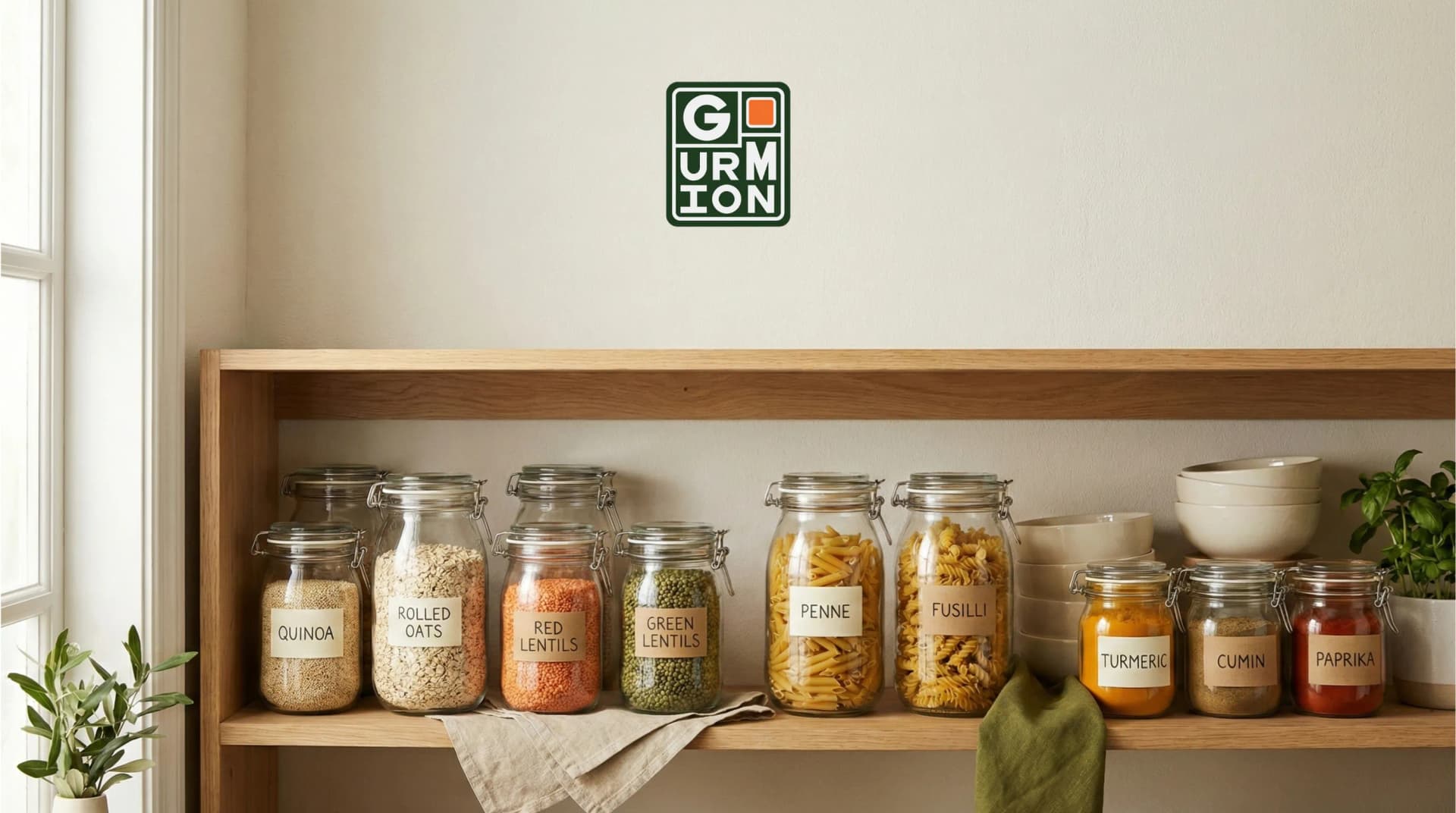
Half of running a kitchen happens not on the stove but in the storeroom. A messy storeroom means spoiled product, lost ingredients, "I thought we had it" accidents, and daily waste that repeats. Money melts there quietly.
This is a setup guide, not a measurement one: how to zone the storeroom, how to label, how to set minimum-maximum stock levels, how to check deliveries against the invoice, and how to settle into a weekly counting routine. Build the order and measuring becomes easy by itself.
Why Storeroom Order Is the Foundation
A disorganized storeroom leaks money three ways: you buy twice because you don't know, it spoils in the back because you can't see it, and you miss the loss because you can't count it. All three are solved with order.
An organized storeroom = visible stock. You can neither manage nor protect stock you can't see.
Storeroom order is the precondition for shrinkage (stock loss) tracking. You can't measure loss without counting; and without order, the count itself becomes unreliable.
Minimum-Maximum Stock Levels (Par Levels)
Set two numbers for every ingredient: a minimum (when stock hits this, order) and a maximum (don't buy past this, so space and budget aren't wasted). This simple rule prevents both running out and over-buying into spoilage.
| Ingredient | Min (reorder point) | Max (ceiling) | Supply frequency |
|---|---|---|---|
| Ground beef | 5 kg | 15 kg | 2x / week |
| Chicken thigh | 8 kg | 20 kg | 2x / week |
| Tomatoes | 10 kg | 25 kg | Daily |
| Sunflower oil | 4 cans | 12 cans | 1x / week |
| Rice | 10 kg | 40 kg | Every 2 weeks |
Set the levels to your own menu and sales pace. After a few weeks the numbers sharpen: lower the max on what keeps piling up, raise the min on what keeps running out.
Zone the Storeroom and Label Everything
1. Build a zone system
Divide the storeroom by usage frequency and storage condition. Everyone should look for product in the same place.
| Zone | Location | What goes here |
|---|---|---|
| Daily | Eye level, near the door | High-use: oil, tomatoes, onions |
| Weekly | Middle shelves | Rice, bulgur, canned goods, spices |
| Bulk stock | Top / bottom shelves | Flour sacks, oil cans, bulk buys |
| Cold | Fridge / cold room | Meat, dairy, opened sauces |
| Frozen | Deep freezer | Meat backup, frozen vegetables |
2. Label every shelf and container
Write the ingredient name on shelves and item + opening/delivery date on containers. Move open sacks into sealed clear containers — solves moisture, pests, and the "how much is left" problem at once. With look-alike items (starch vs semolina, paste varieties) labels prevent accidents.
3. FIFO placement: old to the front, new to the back
First in, first out. When a delivery arrives, push new product to the back of the shelf and pull the old to the front. Staff always take what's in front. That one habit cuts most spoilage-driven loss. FIFO is the cheapest way to reduce food waste — it costs nothing extra, just discipline.
Receiving Discipline: Check Against the Invoice
The weakest link in storeroom order is the door. The check you skip at intake comes back later labeled "shrinkage."
- Weigh and count. If the invoice says 10 kg, put it on the scale. Product that comes up short is money paid but not delivered.
- Match the invoice line by line. Price, quantity, item — all three must agree. If they don't, note it right then.
- Reject on quality. Turn away spoiled, bruised, or cold-chain-broken product at the door. Once it's inside, the loss is yours.
- Record into stock immediately. If the invoice sits in a drawer, the numbers won't reconcile. Log product the moment it enters.
A check you skip at the door costs twice as much at month's end.
Temperature and Storage Basics
Wrongly stored product is lost before it ever reaches a sale. Basic reference:
| Zone | Temperature | What goes here |
|---|---|---|
| Cold room / fridge | 0–4 °C | Meat, dairy, opened sauce, fresh produce |
| Deep freezer | −18 °C and below | Meat backup, frozen product |
| Dry storage | 10–21 °C, cool/dark | Flour, rice, canned goods, spices |
Store raw meat below cooked product (so drips don't contaminate). Keep dry storage away from sun and moisture; open spices lose aroma fast in light. Move cold-chain product into cold the moment you receive it.
The Weekly Counting Routine
Order only survives on routine. One fixed day a week, one fixed person:
- Count zone by zone. Write the real quantity for each shelf — not an estimate.
- Flag anything below its min level and add it to the order list.
- Pull forward anything nearing its date, work those items into the menu / daily special.
- Note anything piled past its max — you over-bought; trim the next order.
The first few weeks take time; after that it's 20–30 minutes. This count is also the raw data for shrinkage measurement: you can't calculate theoretical loss without knowing real stock.
The 4 Most Common Mistakes
1. No min-max levels. "Eyeballed" ordering either leaves you out of stock or fills the storeroom with stale product.
2. Working without labels. An undated container is the first thing to spoil. A label takes five seconds; the loss shows up at month's end.
3. Receiving without a check. Product taken in unweighed is the most frequent and quietest money loss.
4. Skipping the count. Say "no time this week" and order unravels within two weeks. Routine is the only guard order has.
Take Storeroom Order Digital: Gurmion Kiler
Keeping min-max levels, receiving checks, and weekly counts on paper is possible — but in most kitchens it's abandoned after a few weeks. The Gurmion Kiler module carries the routine:
- Holds min-max levels for each ingredient and auto-adds anything below min to the order list
- Checks deliveries against the invoice and shows shortfalls or price differences
- Warns ahead of time about product nearing its date
- Makes the weekly count easy; compares real stock against sales to surface shrinkage
Frequently Asked Questions
How do I set min-max levels? Watch your normal sales for a few weeks. How much of an ingredient goes per week, how often does the supplier come? Minimum = enough to last until the next delivery; maximum = the ceiling you can use up before it spoils. Adjust the numbers over time.
How often should I count? Weekly is healthiest — it catches problems fresh. Very fast-moving fresh items (meat, dairy, produce) are worth a daily look too. Monthly counts reveal the leak too late.
Is this order necessary for a small restaurant? Especially in a small one. With thin margins, a single stale sack or a lost can of oil can wipe out the week's profit.
How is this different from shrinkage tracking? This post is about building physical order and routine. Shrinkage tracking is about measuring the loss — comparing theoretical stock to actual to find where the money goes. The two complete each other: without order, the measurement is unreliable.
Try Gurmion for Free
Start with Gurmion for free — get instant access to inventory tracking, min-max levels, and shrinkage measurement. No credit card required.
An organized storeroom is the quiet foundation of a winning kitchen. Visible stock, counted shelves, a check at the door — a kitchen run by routine, not intuition, doesn't lose money.